


Letter Recognition Activities Before Kindergarten
Letter recognition activities before kindergarten are hands-on, multisensory exercises that teach young children to identify letter shapes, connect them to sounds, and build the foundation for reading and writing. Educators call this skill “print awareness,” and it is one of the strongest predictors of early reading success. The good news is that you do not need a classroom to build it. Magnetic letters on the fridge, playdough on the kitchen table, and a simple tracing book are enough to get started. This guide gives you the tools, the step-by-step methods, and the troubleshooting advice to make every session count.
What letter recognition activities before kindergarten actually involve
Letter recognition is defined as a child’s ability to visually identify a letter and connect it to its name and sound. Children generally begin recognizing uppercase letters around age 5, with lowercase letters mastered more slowly because of their visual similarities. That gap matters. It tells you to start with uppercase letters and introduce lowercase gradually, not all at once.
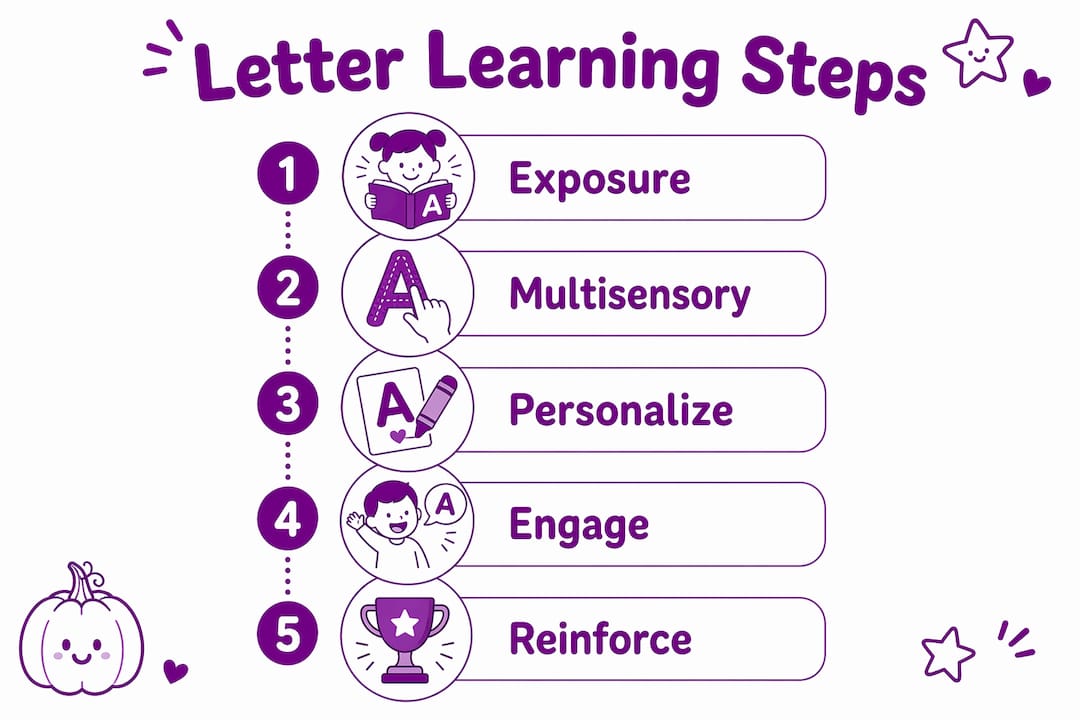
For children aged 2–3, the goal is exposure, not memorization. Early exposure without pressure sets the foundation for later mastery. Alphabet books, letter songs, and pointing out letters on cereal boxes all count. The pressure to “know the alphabet” before age 4 is one of the most common mistakes parents make.
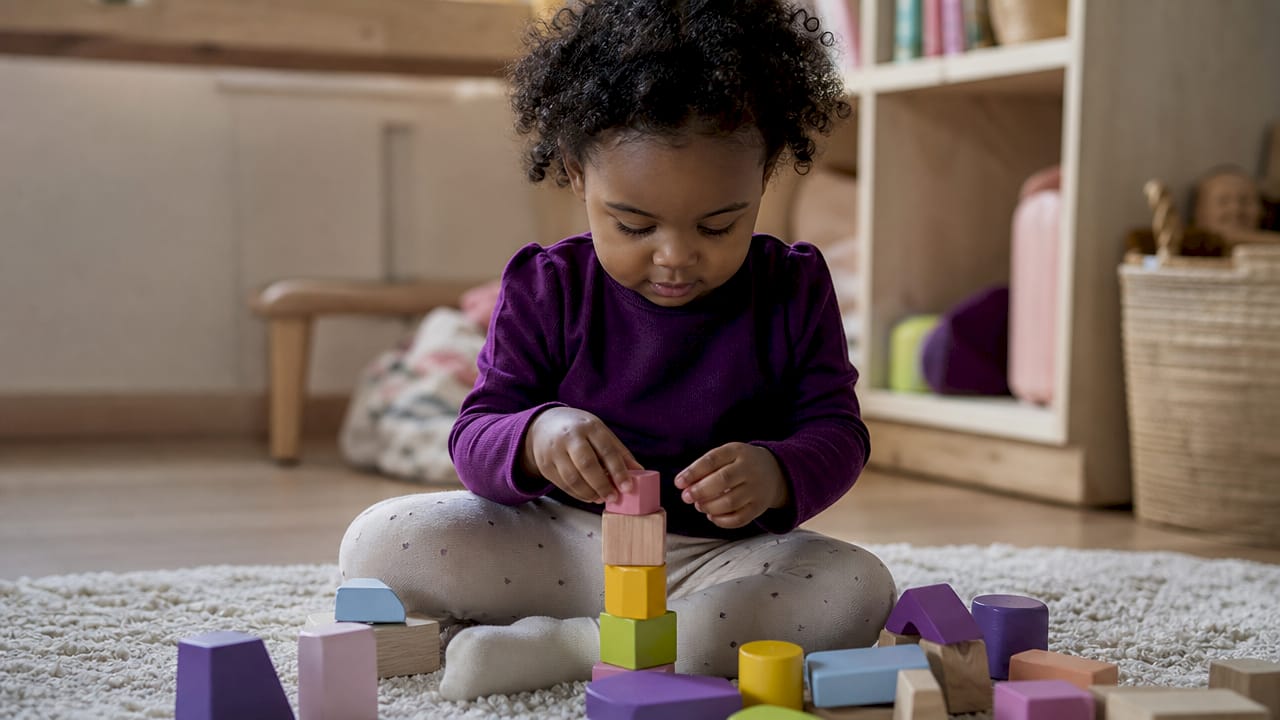
The most effective letter recognition activities combine tactile, visual, and auditory input. Playdough lets a child feel the shape of a letter. Magnetic letters let them sort and match. A tracing book connects hand movement to visual memory. Preschoolers learn best through repeated, meaningful hands-on activities rather than worksheets or drills alone. That research finding is the backbone of every activity in this guide.
What tools and materials work best for alphabet learning
The right tools make a real difference. You do not need to spend much. Most of the best materials are already in your home or cost very little.
Here is a quick comparison of the most useful tools:
| Tool | Sensory input | Prep level | Best for |
|---|---|---|---|
| Magnetic letters | Visual, tactile | None | Sorting, matching, spelling name |
| Playdough | Tactile, visual | Low | Forming letter shapes |
| Sidewalk chalk | Visual, motor | None | Large-scale tracing outdoors |
| Letter cards / flashcards | Visual, auditory | Low | Name and sound pairing |
| Tracing books | Visual, motor | None | Letter formation and repetition |
Each tool targets a different part of letter learning. Magnetic letters are great for recognition and sorting. Playdough builds muscle memory for letter shapes. Tracing books connect visual recognition to the physical act of writing.
Personalizing materials speeds up engagement. Start with the letters in your child’s name. A child named Maya will pay far more attention to M, A, Y, and A than to a random letter of the week. Once those feel familiar, branch out to letters from favorite words like “dog,” “cat,” or “pizza.”
Littlepumpkins offers reusable magic ink tracing books designed for children aged 3–6. The books cover letter formation in English, Hindi, and Punjabi, which makes them especially useful for bilingual families. The reusable format means your child can practice the same letter dozens of times without wasting paper. You can explore tracing tools for literacy to find the right fit for your child’s age and stage.
Pro Tip: Label five objects in your home with sticky notes showing the first letter of each word. Change the labels weekly to keep the activity fresh and build letter recognition naturally throughout the day.
How to run letter recognition sessions that keep preschoolers engaged
Structure matters as much as the activity itself. Multisensory activity sessions work best at around 10 minutes for preschoolers. That is not a suggestion. Longer sessions lead to frustration, not learning.
Here is a simple sequence that works for most children aged 3–5:
- Pick one letter. Start with a letter from your child’s name or a word they love. Introduce it by name and sound together: “This is B. It says /b/ like ‘ball.’”
- Touch it. Use magnetic letters, foam letters, or playdough to let your child feel the shape. Ask them to trace it with their finger before picking up a pencil.
- Find it. Do a quick letter scavenger hunt. Look for that letter on food packaging, books, or signs around the house. This builds real-world print awareness.
- Write it. Use sidewalk chalk, a tracing book, or a sand tray. Large movements first, then smaller ones. Gross motor practice before fine motor practice.
- Celebrate it. Name one thing your child did well. Confidence builds repetition, and repetition builds mastery.
Rotate activities across the week rather than doing the same thing daily. Letter stamping games, alphabet puzzles, and letter matching cards all reinforce the same skill through different formats. Consistent game formats with seasonal variations keep letter recognition fresh without confusing children with new rules every session.
Pro Tip: Tie letter activities to the season. In fall, use leaf shapes to form letters. In winter, “write” letters in a tray of salt or sugar. The theme changes, but the letter stays the same.
How to connect letter names with sounds for deeper reading readiness
Identifying a letter by name is only half the skill. The other half is connecting that letter to its sound. This pairing is called phonics, and it is what turns letter recognition into actual reading ability.
Pairing letter identification with sounds and keywords builds foundational decoding skills. The most effective format is a three-part link: letter name, keyword, sound. For example: “H, hat, /h/.” Repeat this pattern every time you introduce or review a letter.
Here are four practical ways to build that connection during play:
- Sound scavenger hunts. Say a sound like /s/ and ask your child to find three objects in the room that start with that sound. Then show the letter S and connect it to what they found.
- Alphabet matching games. Lay out letter cards and a set of small objects or pictures. Ask your child to match each object to its starting letter.
- Letter sound songs. Songs like “A says /a/, apple, apple, /a/” use rhythm and repetition to lock in the name-sound connection. Repetition through music is one of the most effective memory tools for young children.
- Read-aloud letter spotting. During storytime, pause and point to a familiar letter. Ask your child to say its name and sound before you move on.
Visually similar letters like b and d, or p and q, cause confusion for most preschoolers. Teaching the precise motion path of letter formation alongside name and sound repetition reduces that confusion. For “b,” teach the child to “bump the bat then add the ball.” For “d,” reverse it: “draw the door then add the doorknob.” These verbal cues create a physical and auditory anchor that pure visual practice cannot.
Pro Tip: Avoid drilling all 26 letters at once. Target the letters your child almost knows. Targeted activities address specific gaps like letter naming, sound association, or visual discrimination far more effectively than broad review.
Common challenges in letter recognition and how to fix them
Most preschoolers hit a wall at some point. That is normal. Knowing what to look for helps you adjust before frustration sets in.
Signs your child may be struggling:
- Consistently confusing b/d, p/q, or m/w after repeated practice
- Refusing to participate in letter activities that used to be fun
- Recognizing uppercase letters but showing no progress with lowercase
- Losing interest after fewer than 5 minutes in every session
The most common parent mistake is using games that are too fast or too complex. Overly stimulating games reduce learning efficiency. Simplicity supports focus and retention. If your child is disengaged, the activity is probably too hard or too long, not too easy.
Strategies that work when progress stalls:
- Drop back to letters your child already knows and rebuild confidence before introducing new ones.
- Shorten sessions to 5 minutes if 10 minutes feels like too much.
- Switch the format. If tracing is not working, try playdough or magnetic letters instead.
- Check for writing readiness skills before pushing letter formation. Some children need more fine motor practice before tracing feels comfortable.
“Letter recognition is a gradual process. Success depends on meaningful repetition over time, not immediate memorization.” — Hands-On Letter Recognition Worksheets & Activities for Preschool
If your child shows persistent difficulty after several months of consistent, varied practice, a conversation with their pediatrician or a speech-language pathologist is a reasonable next step. Early support makes a significant difference.
Key Takeaways
The most effective letter recognition activities before kindergarten combine short, multisensory sessions with consistent name-sound pairing and simple, repeatable formats.
| Point | Details |
|---|---|
| Start with uppercase letters | Children recognize uppercase letters first; introduce lowercase gradually after those feel solid. |
| Keep sessions to 10 minutes | Short, focused sessions maintain engagement and improve retention for preschoolers. |
| Pair name, sound, and keyword | Always link the letter to its sound and a familiar word to build real reading readiness. |
| Use multisensory tools | Combine playdough, magnetic letters, tracing books, and chalk to reinforce learning through multiple senses. |
| Simplicity beats complexity | Simple, repeatable games with consistent rules outperform fast-paced or cluttered activities every time. |
What I have learned from watching preschoolers actually learn letters
The biggest mistake I see parents make is chasing novelty. A new app, a new game, a new worksheet every week. The child spends more energy learning the rules of the activity than learning the letter itself.
What actually works is boring in the best possible way. Pick three or four activities your child enjoys. Run them on rotation. Change the theme seasonally, but keep the format identical. A child who has played the same letter matching game 40 times knows the game cold. That frees up all their mental energy for the actual letter.
The second thing I have noticed is that parents underestimate the power of saying the letter name and sound together, every single time, without exception. Not “what letter is this?” but “this is B, it says /b/.” Consistent input builds consistent output. Children do not learn from being tested. They learn from being shown.
Confidence matters more than speed. A child who loves letters and feels good about their progress will catch up fast once formal instruction begins. A child who has been drilled and corrected into anxiety will struggle even if they technically “know” the alphabet. Prioritize enjoyment. The mastery follows.
— Bobby
Littlepumpkins resources for letter practice at home
Littlepumpkins makes letter practice feel magical for children aged 3–6. Their reusable magic ink tracing books let kids trace letters in English, Hindi, and Punjabi, again and again, without wasting paper or losing interest. The books pair beautifully with the hands-on activities in this guide. Use them as your 10-minute daily tracing session, and rotate the other activities around them.
Browse the full range of tracing and handwriting books to find the right book for your child’s language and stage. If your family is raising bilingual children, the English tracing book is a strong starting point. Every book is designed to build letter recognition one magical letter at a time.
FAQ
When should kids start letter recognition activities?
Children aged 2–3 benefit most from relaxed exposure to letters through books and songs. Structured letter recognition activities are most effective starting around age 3–4.
How many letters should a preschooler know before kindergarten?
Most kindergarten programs expect children to recognize the majority of uppercase letters by age 5. Lowercase letter recognition typically develops more slowly and continues into kindergarten.
What are the best letter identification methods for preschoolers?
Multisensory methods combining tactile tools like playdough, visual tools like letter cards, and auditory input like sound songs are the most effective for pre-kindergarten literacy games.
How do I help my child stop confusing b and d?
Teach a verbal motion path for each letter: “bat then ball” for b, “door then doorknob” for d. Repeating the name and sound alongside the formation path builds both visual and muscle memory.
How long should a letter recognition session be?
Ten minutes is the ideal session length for preschoolers. Shorter is fine. Longer sessions tend to reduce focus and make the activity feel like a chore rather than play.